













Selecting a robot integrator involves assessing technical engineering competency, sectoral experience, and safety compliance. A reliable integrator provides a complete turnkey solution that includes hardware, custom software, electrical panel fabrication, and safety certification. Engineering teams must demonstrate a track record of past deployments that match the specific payload and reach requirements of your project.
UK manufacturers must prioritise integrators who provide a transparent breakdown of components. This includes the robotic arm, end-of-arm tooling, safety guarding, and software integration. Detailed functional specifications prevent scope creep and ensure the final cell meets the defined cycle time and repeatability targets.
Application-Specific Engineering Experience
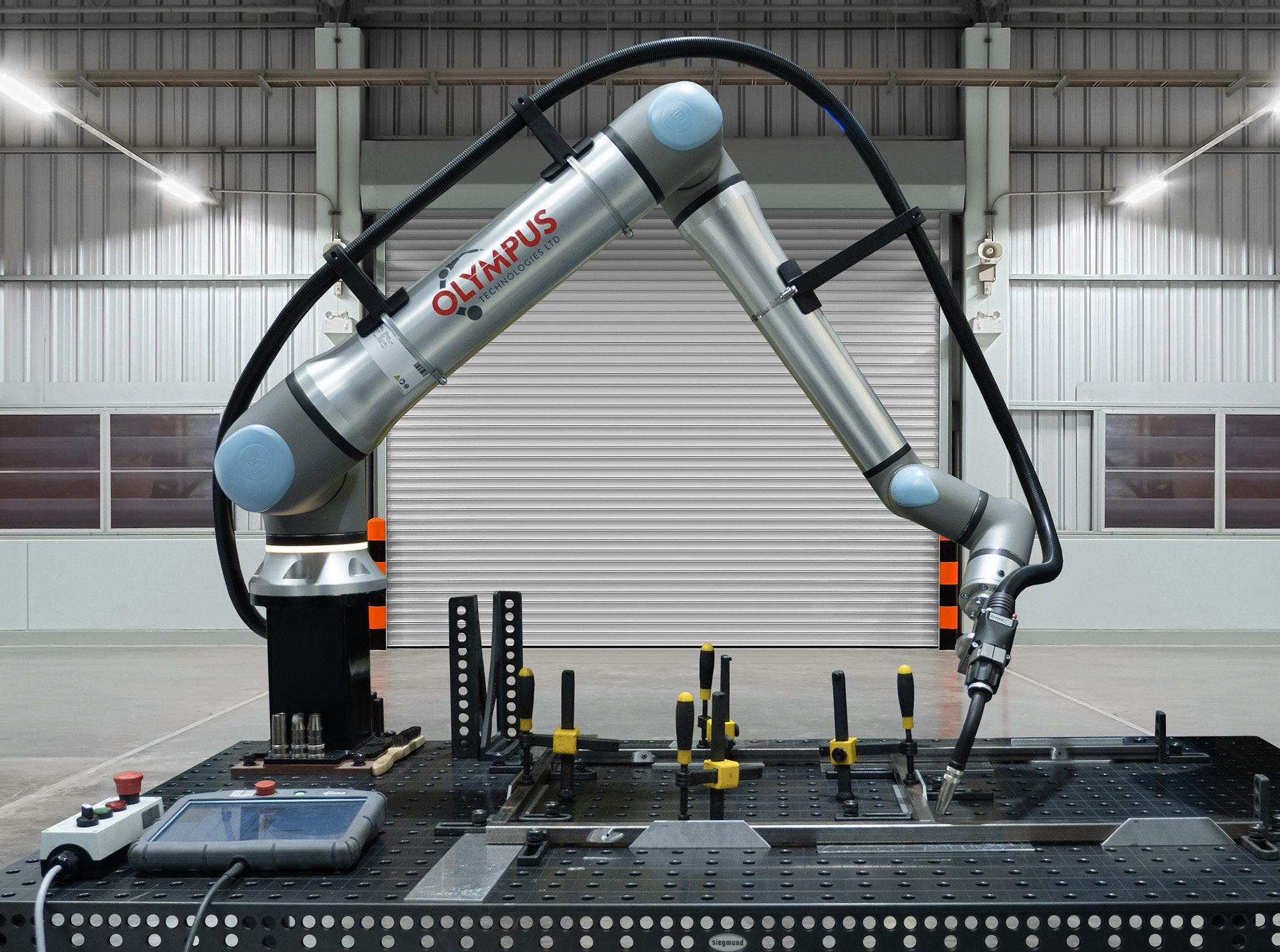
A robot integrator specialising in welding requires different competencies than one focused on palletising. For instance, MIG welding applications require knowledge of shielding gas flow, spatter protection, and torch angle optimisation. We have observed that generic integrators often struggle with the nuances of weld penetration and bead consistency compared to specialists.
When evaluating a provider for press brake tending, verify their experience with sheet metal handling and back-gauge synchronisation. Palletising applications require expertise in vacuum system design and pattern-building software. The chosen partner must understand the specific physics of your process rather than just the kinematics of the robot arm.
Safety Certification and PUWER Compliance
All robotic installations in the UK must comply with the Provision and Use of Work Equipment Regulations (PUWER) and BS EN ISO 10218-1/2. An integrator must provide a comprehensive Technical File upon completion of the project. This file includes the Declaration of Conformity (UKCA/CE marking), operation manuals, and circuit diagrams.
Risk assessments are the most critical document in a safety file. For collaborative robots (cobots), the integrator must perform force and pressure testing to ensure the system remains within ISO/TS 15066 limits. If an integrator suggests that a cobot is “safe by default” without a task-based risk assessment, it indicates a failure to meet legal safety obligations.
In-House Capability and Component Stock
Direct control over the supply chain reduces deployment lead times. Integrators who maintain internal stocks of critical components, such as Dinse connectors or specialised torch necks, can respond faster to maintenance requirements. Evaluate the size of the engineering team and their ability to provide remote support or onsite assistance within 24 to 48 hours.
In-house fabrication for pedestals and custom grippers ensures high structural rigidity. We use 3D printing for rapid prototyping of end-effector fingers and heavy-duty steel fabrication for palletising bases. Ask potential partners if they outsource their electrical panel builds or if they handle PLC programming and HMI design internally.
Transitioning from Selection to Deployment Strategy
Once an integrator is shortlisted based on technical competency and safety standards, the focus shifts to the financial and operational mechanics of the installation. The transition from a potential partner to a contracted integrator requires a clear understanding of ROI calculations and long-term maintenance cycles.
Successful deployments depend on the integrator’s ability to map their technical solution to your specific factory layout and shift patterns. This bridge between high-level selection and shop-floor reality determines the ultimate success of the automation investment.
Frequently Asked Questions
How do you verify an integrator’s track record?
Request a site visit to a live installation similar to your proposed application. Reputable UK integrators should provide references from 200+ deployments or provide case studies showing MIG/TIG welding or palletising cells in a production environment. Assessing a running system allows you to observe cable management, cycle time stability, and HMI usability.
What are the typical costs for a UK robotic cell?
Entry-level cobot welding systems typically range from £60,000 to £85,000 including installation and training. Larger palletising cells or integrated press brake systems can exceed £120,000 depending on the complexity of the infeed and outfeed conveyors. Total cost of ownership must include electricity, consumables, and annual safety inspections.
Which robotic brands are most common in the UK?
Universal Robots (UR), FANUC CRX and ABB are the primary choices for collaborative applications due to their ease of programming. For high-speed industrial tasks, ABB, KUKA and FANUC remain industry standards. Choosing an integrator who works with these established brands ensures better access to spare parts and long-term software updates.
Should I choose a cobot or an industrial robot?
Cobots are ideal for low-to-medium volume production where operators need to work in close proximity to the robot. Industrial robots are required for high-speed, high-payload tasks exceeding 25kg or where cycle time requirements demand speeds that are unsafe for collaborative operation. The choice depends on the space available and the required throughput per shift.
Related Information and Tools
For those evaluating specific welding methods, our guide on cost per metre of welding provides granular financial data. If your production involves sheet metal, compare the ROI for low-volume press brake tending to see if automation is viable. Decisions regarding vacuum vs mechanical grippers will also influence the integrator selection based on their tooling expertise.