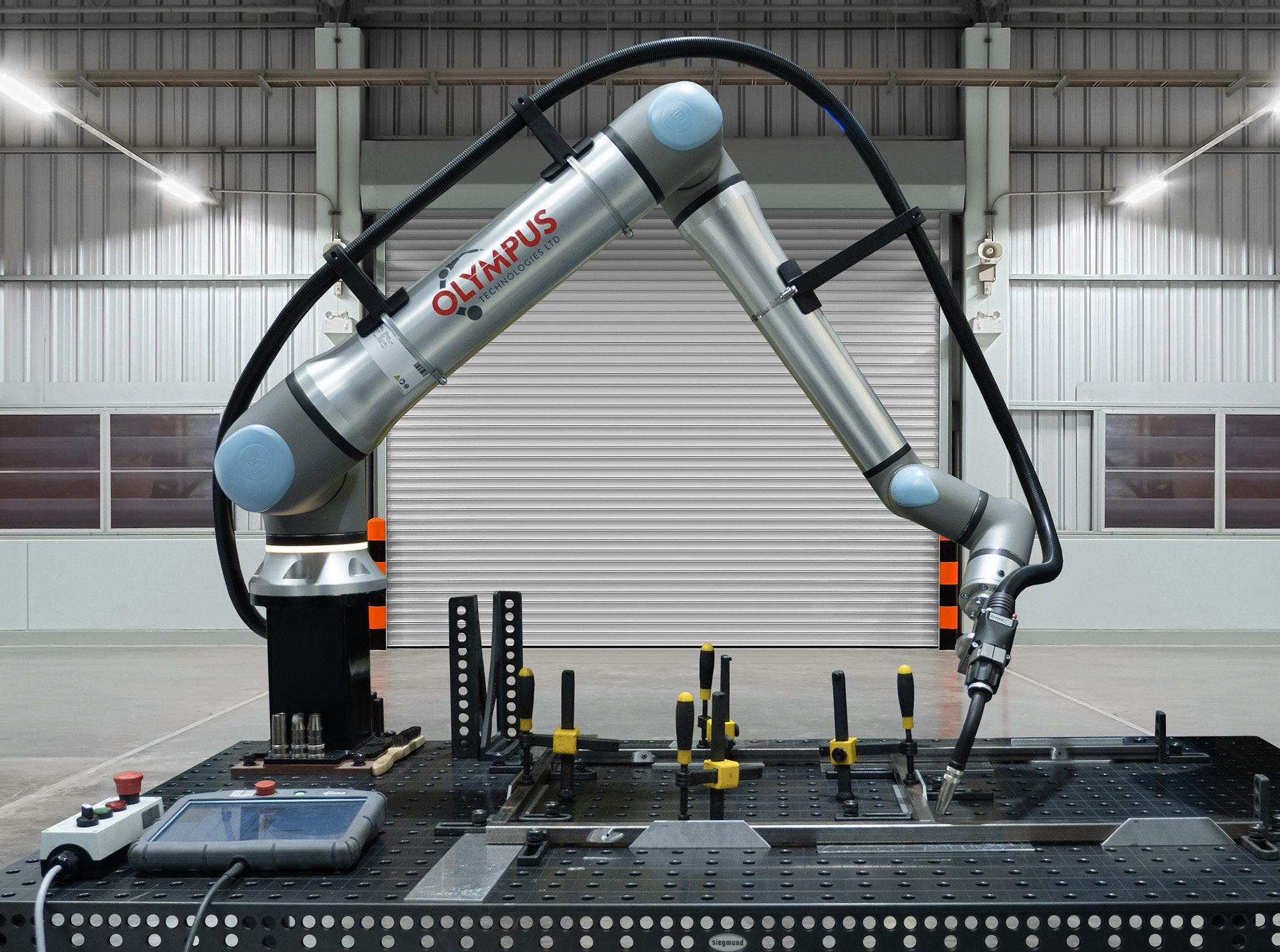














Collaborative robots are increasingly being used for welding applications thanks to their flexibility, repeatability and ease of deployment. However, welding environments can be extremely demanding on robotic equipment. Weld spatter, heat, dust and contamination can all contribute to premature wear and unexpected maintenance issues.
Cobot welding covers provide an effective way to protect your robot from these harsh conditions, helping to extend equipment lifespan, reduce maintenance requirements and minimise costly production downtime.
Why Welding Environments Are Tough on Robots
While modern collaborative robots are designed for industrial use, welding applications expose them to conditions that can accelerate wear over time.
Common hazards include:
- Weld spatter and molten metal particles
- Radiant heat from the welding process
- Grinding and fabrication dust
- Abrasive debris
- Chemical contamination
- Moisture and environmental exposure
Without adequate protection, these factors can affect external surfaces, cable routing, seals and moving components, increasing maintenance requirements and potentially reducing the robot's operational life.
How Cobot Welding Covers Work
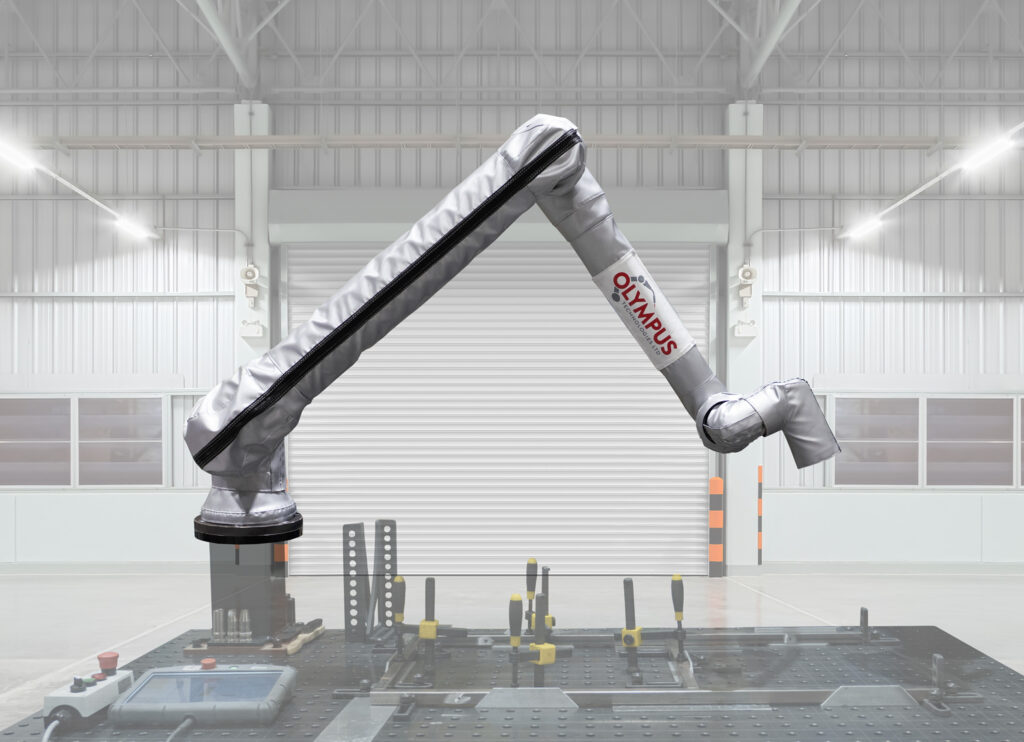
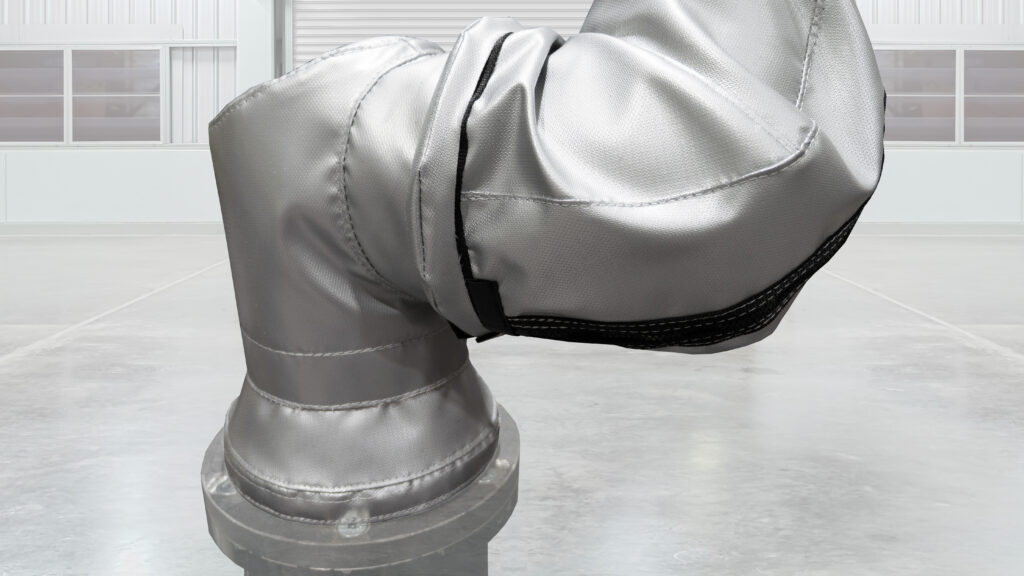
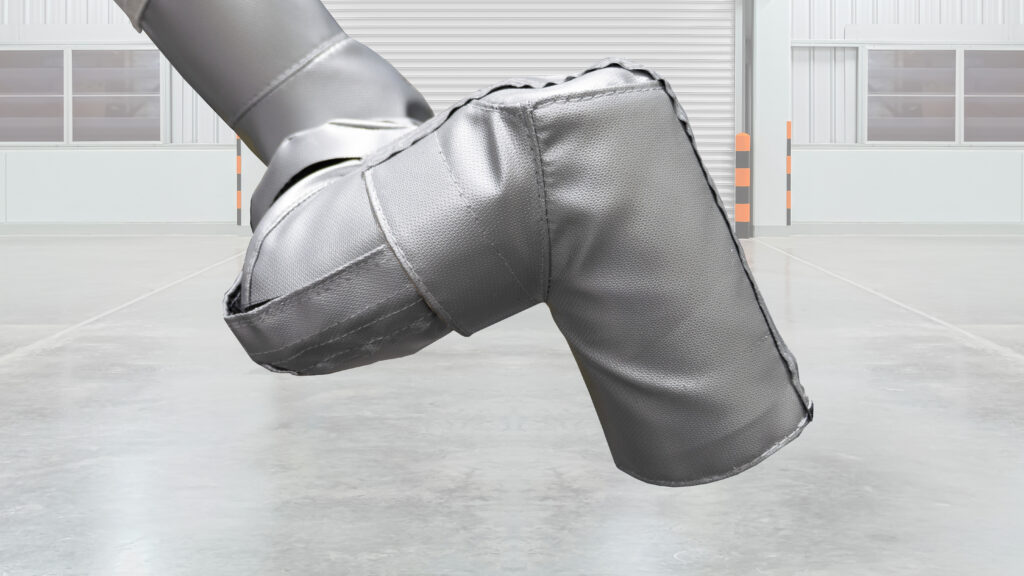
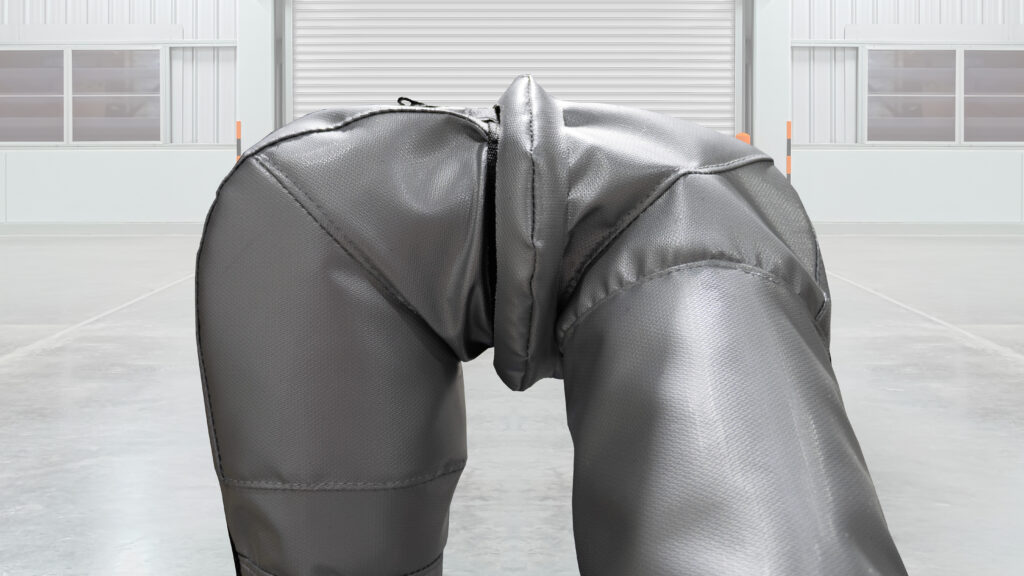
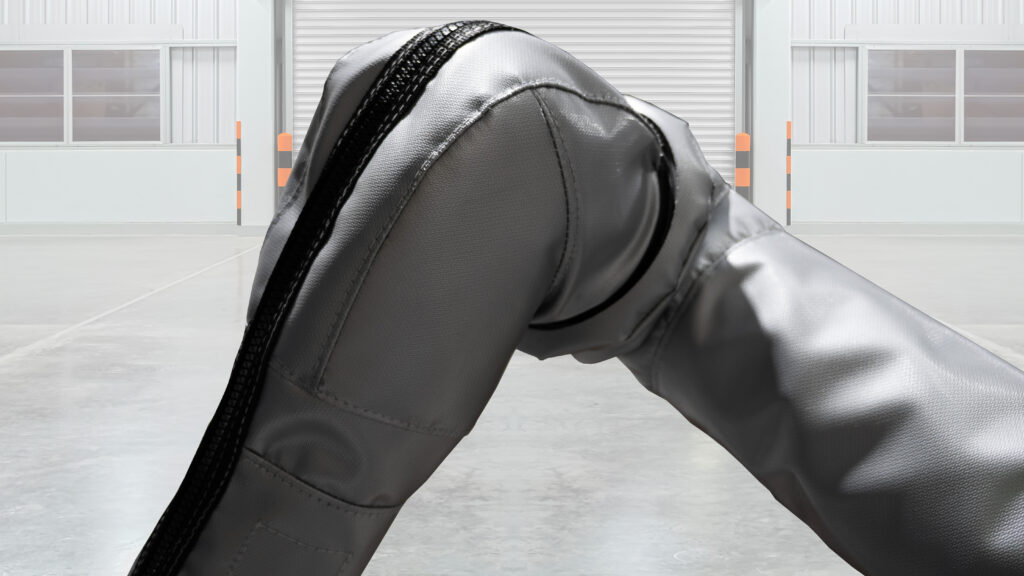
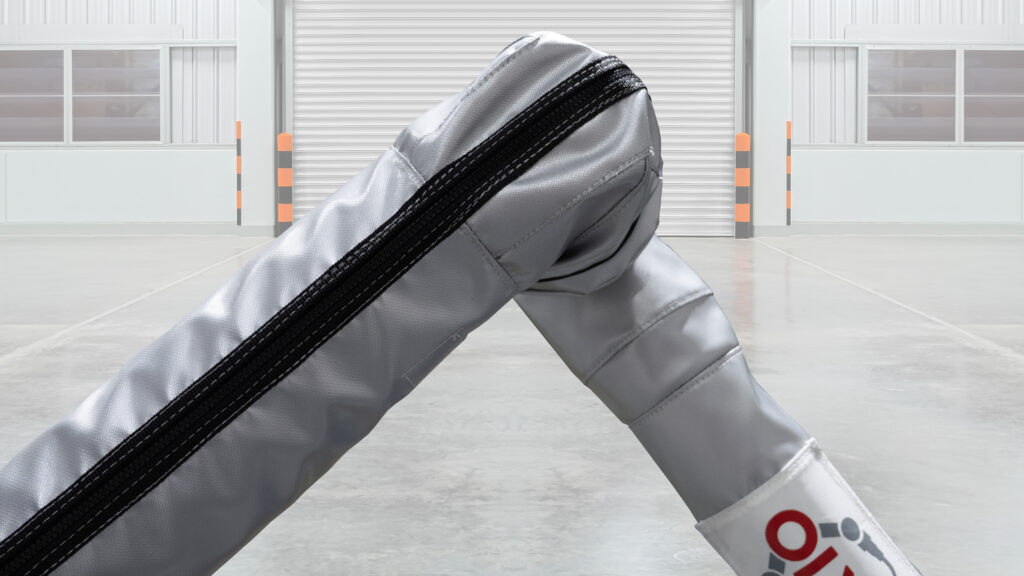
A welding cover is fitted directly to the robot arm and acts as a protective barrier between the robot and its operating environment.
Designed to maintain full robot movement and flexibility, welding covers shield critical areas from heat, spatter and contamination without restricting performance.
By preventing contaminants from reaching sensitive components, welding covers help keep robots operating reliably in demanding production environments.
Protecting Against Weld Spatter
One of the biggest challenges in robotic welding applications is weld spatter.
Molten metal particles generated during welding can adhere to exposed robot surfaces and gradually build up around joints, cables and moving parts. Over time, this can lead to increased cleaning requirements, component wear and unnecessary maintenance costs.
Specialist welding covers are manufactured using heat-resistant materials that help prevent weld spatter from damaging the robot and make routine cleaning significantly easier.
Reducing Heat Exposure
Radiant heat generated during welding can place additional stress on robotic equipment.
Although robots are engineered to operate in industrial environments, prolonged exposure to elevated temperatures can affect external components and protective cable systems.
High-temperature welding covers provide an additional thermal barrier, helping to reduce direct heat exposure and support long-term reliability.
Preventing Dust and Contamination
Welding is often carried out alongside grinding, cutting and fabrication processes that generate significant amounts of airborne dust and debris.
These contaminants can accumulate around robot joints and moving components, increasing wear and maintenance requirements over time.
Protective covers help prevent dust and abrasive particles from reaching sensitive areas, reducing the risk of contamination-related issues.
Common Materials Used in Cobot Welding Covers
Different welding environments require different levels of protection.
Depending on the application, welding covers may be manufactured using materials such as:
Silicone
Offers excellent heat resistance and flexibility, making it ideal for many welding applications.
Kevlar
Provides exceptional resistance to heat, abrasion and mechanical wear in demanding industrial environments.
Hypalon
Well suited to abrasive environments where durability and wear resistance are priorities.
PTFE
Provides excellent resistance to chemicals, contamination and harsh industrial conditions.
Selecting the right material depends on factors such as welding process, operating temperatures and environmental exposure.
The Business Benefits of Welding Covers
Investing in a robot welding cover can provide several operational benefits, including:
- Reduced maintenance requirements
- Lower cleaning costs
- Improved equipment reliability
- Extended robot service life
- Reduced unplanned downtime
- Protection of valuable automation assets
For manufacturers relying on robotic welding for production, even small reductions in downtime can result in significant long-term cost savings.
Which Robots Can Use Welding Covers?
Olympus Technologies' welding covers are designed specifically for Universal Robots collaborative robots used in welding applications. Each cover is custom manufactured to suit the robot model, ensuring a precise fit and reliable protection against weld spatter, heat, dust and other industrial contaminants.
Designed to move with the robot throughout its full range of motion, our covers help protect critical joints, cabling and external surfaces without restricting performance or accessibility. This allows manufacturers to maintain productivity while helping to extend the service life of their Universal Robots welding systems.
Frequently Asked Questions
Do welding covers restrict robot movement?
No. Quality welding covers are designed specifically for the robot model and maintain full freedom of movement while providing protection.
Can welding covers be used with MIG and TIG welding?
Yes. Material selection should be matched to the welding process and operating environment. Higher-spatter applications may require more robust protective materials.
How long do robot welding covers last?
The lifespan of a welding cover depends on operating conditions, maintenance practices and exposure levels. Covers are designed as a protective layer and can be replaced when necessary.
Are welding covers only used for welding?
No. Protective robot covers are also widely used in painting, spraying, machine tending, abrasive processing and other industrial applications where contamination or environmental exposure is a concern.
Discover Olympus Technologies Robot Welding Covers
Protecting your robot from weld spatter, heat and contamination is essential for maintaining performance and maximising service life. Olympus Technologies supplies high-quality robot welding covers designed specifically for demanding industrial environments, helping manufacturers reduce downtime and protect their automation investment.
If you're looking to protect your Universal Robots cobot from weld spatter, heat and contamination, Olympus Technologies can help. Contact our team today to discuss your application and learn more about our range of protective welding covers for Universal Robots.